Flat vs. Apartment: Key Differences Every Homebuyer Should Know
7 Min Read
Over three decades of building residential communities across Kochi, one of the first questions homebuyers ask our team at Kent Constructions during site visits is simple yet surprisingly common: "What is the actual difference between a flat and an apartment?" It is easy to see why the confusion exists. Walk down any major corridor in Kerala or scroll through property listings, and you will see one project advertising "luxury apartments in Kochi" while the next promotes "spacious 3 BHK flats."
From both a structural and legal standpoint under Indian real estate law, including the Real Estate (Regulation and Development) Act (RERA), a flat and an apartment refer to the exact same type of home: a self-contained residential unit within a multi-storey building. In everyday property marketing and buyer perception, however, the two terms have gradually come to represent different scales of community living, shared amenities, and maintenance standards.
Drawing from real-world industry practices and Kerala's property regulations, this guide breaks down where the two terms overlap, why builders use them differently, and which factors actually determine the long-term value of your home.
Where Do the Terms "Flat" and "Apartment" Come From?
The confusion between the two words has less to do with architecture and more to do with geography and linguistic history.
Flat (British English): Rooted in the Old English word flet, meaning a floor or dwelling, \flat\ became the standard term across the United Kingdom and Commonwealth nations.Because of India\'s historical ties to British English, \flat\ remains the most common everyday word used by families, brokers, and legal drafts across the country.
Apartment (American English): Derived from the French appartement and Italian appartamento (meaning a separated place), \apartment\ became the preferred term in North America.In the span of the past twenty years, as Indian urban residential development shifted toward expansive, amenity-laden gated communities, developers increasingly employed the term \apartment\ to project an image of contemporary, globalized living standards.
What Does Indian Real Estate Law Say?
When you sign a sale agreement or check project approvals under RERA (Real Estate Regulatory Authority), the debate ends immediately.
Under Section 2(e) of the Real Estate (Regulation and Development) Act, 2016, an "apartment" is legally defined as a separate and self-contained part of any immovable property whether called a block, chamber, dwelling unit, flat, office, showroom, or shop—located on one or more floors. Similarly, the Kerala Apartment Ownership Act treats both terms identically when establishing undivided share of land (UDS), carpet area rules, and association rights.
Whether your sale deed says "flat" or "apartment," your legal ownership rights, RERA protections, and home loan eligibility remain 100% identical.
Even though the legal definition is the same, Indian real estate developers and buyers often associate each term with a distinct style of residential project. Knowing these informal market nuances helps you decode listings faster:
Scale of the Community: In casual conversation, a "flat" often brings to mind standalone buildings or smaller residential complexes with essential utilities like covered parking, power backup, and lift access. An "apartment," by contrast, is frequently used for larger gated developments featuring multiple towers and expansive common grounds.
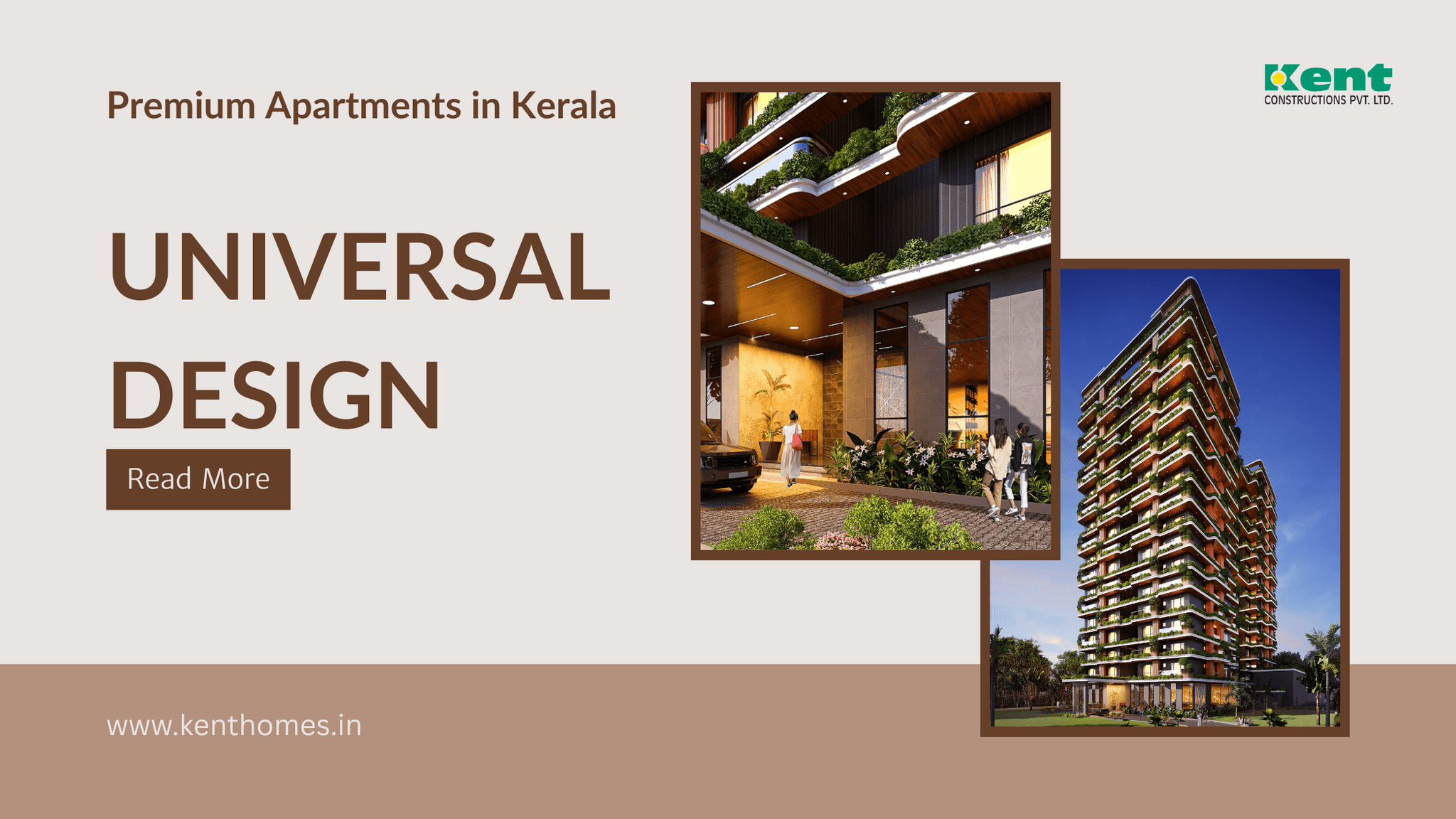
Lifestyle Amenities: Projects marketed as luxury apartments in Kochi typically bundle lifestyle infrastructure such as rooftop swimming pools, equipped fitness centers, indoor recreation rooms, landscaped gardens, and multi-tier biometric security into the community design.
Layout Variations: Many people assume a flat must sit on a single level while an apartment can span two floors. While single-level layouts are standard for both, modern residential towers routinely include duplexes and penthouses under the broader apartment umbrella.
Maintenance and Management: Smaller standalone flat buildings are often managed informally by a small group of residents. Larger apartment communities usually operate through structured Resident Welfare Associations (RWAs) supported by professional facility management teams, ensuring round-the-clock maintenance and predictable upkeep.
5 Factors That Actually Matter More Than the Label
Because a poorly constructed unit labeled a "luxury apartment" will never outperform a well-engineered "flat," smart homebuyers look beyond terminology. When comparing flats and apartments in Kochi, evaluate these five concrete benchmarks instead:
K-RERA Registration and Clear Title: Always verify the project's Kerala RERA registration number before paying a booking amount. RERA compliance guarantees approved building plans, escrow account transparency, and legally binding possession timelines.
Carpet Area Over Super Built-Up Area: Under RERA regulations, homes must be priced based on carpet area—the actual usable floor space inside your walls. Comparing two properties by carpet area ensures you know exactly how much living space your family receives.
Natural Ventilation and Daylight: In Kerala's tropical climate, cross-ventilation and natural light directly impact daily comfort and electricity bills. Check window placement, room orientation, and spacing between adjacent blocks during a site visit.
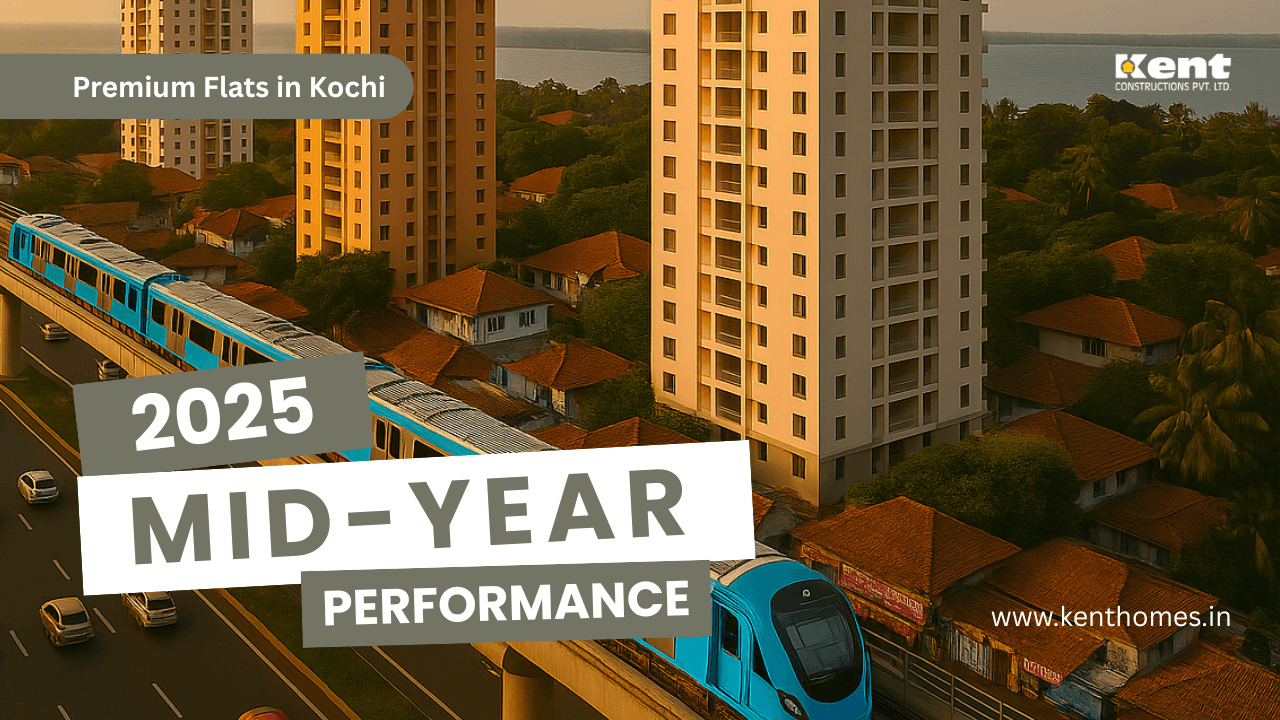
Connectivity and Neighborhood Infrastructure: Proximity to major transit corridors like NH66, Kochi Metro stations, reputed schools, hospitals, and shopping hubs protects both your daily convenience and long-term resale or rental value.
Builder Track Record and Build Quality: Inspect completed projects by the developer to assess plastering quality, waterproofing, plumbing standards, and common-area upkeep years after handover. A developer's history is the strongest predictor of your home's durability.
Choose Substance Over Labels with Kent Constructions
Whether you prefer calling your next home a flat or an apartment, what truly counts is structural integrity, thoughtful space planning, and a location that keeps your family connected. With over three decades of excellence as one of the best builders in Kochi, Kent Constructions designs K-RERA-approved residential communities built for lasting comfort, abundant natural ventilation, and strong appreciation. Explore our ongoing and ready-to-move-in homes atkenthomes.in to find a residence that matches your lifestyle.
Frequently Asked Questions (FAQs)
Q1. Is an apartment more expensive than a flat?Not inherently. Pricing depends on location, carpet area, floor rise, construction specifications, and shared amenities rather than whether the listing uses the word "flat" or "apartment."
Q2. Which has better resale and rental value in Kochi?Properties located near prime urban hubs such as Edappally, Kaloor, and Stadium Link Road—with strong security, power backup, and modern amenities command higher rental yields and faster resale demand, regardless of the label.
Q3. Are maintenance charges higher in apartments?Gated communities with swimming pools, gyms, clubhouses, and 24/7 security staff naturally carry higher monthly maintenance fees than smaller standalone buildings with minimal facilities.